Remote Cardiac Device Monitoring with Fewer Clicks and More Results
Cut alert fatigue. Prioritize urgent care.
Deliver flawless insights, faster.


Octagos reduces alert fatigue, streamlines workflows, and integrates
Smarter Tools = Better Care
Smart AI, Sharper Insights

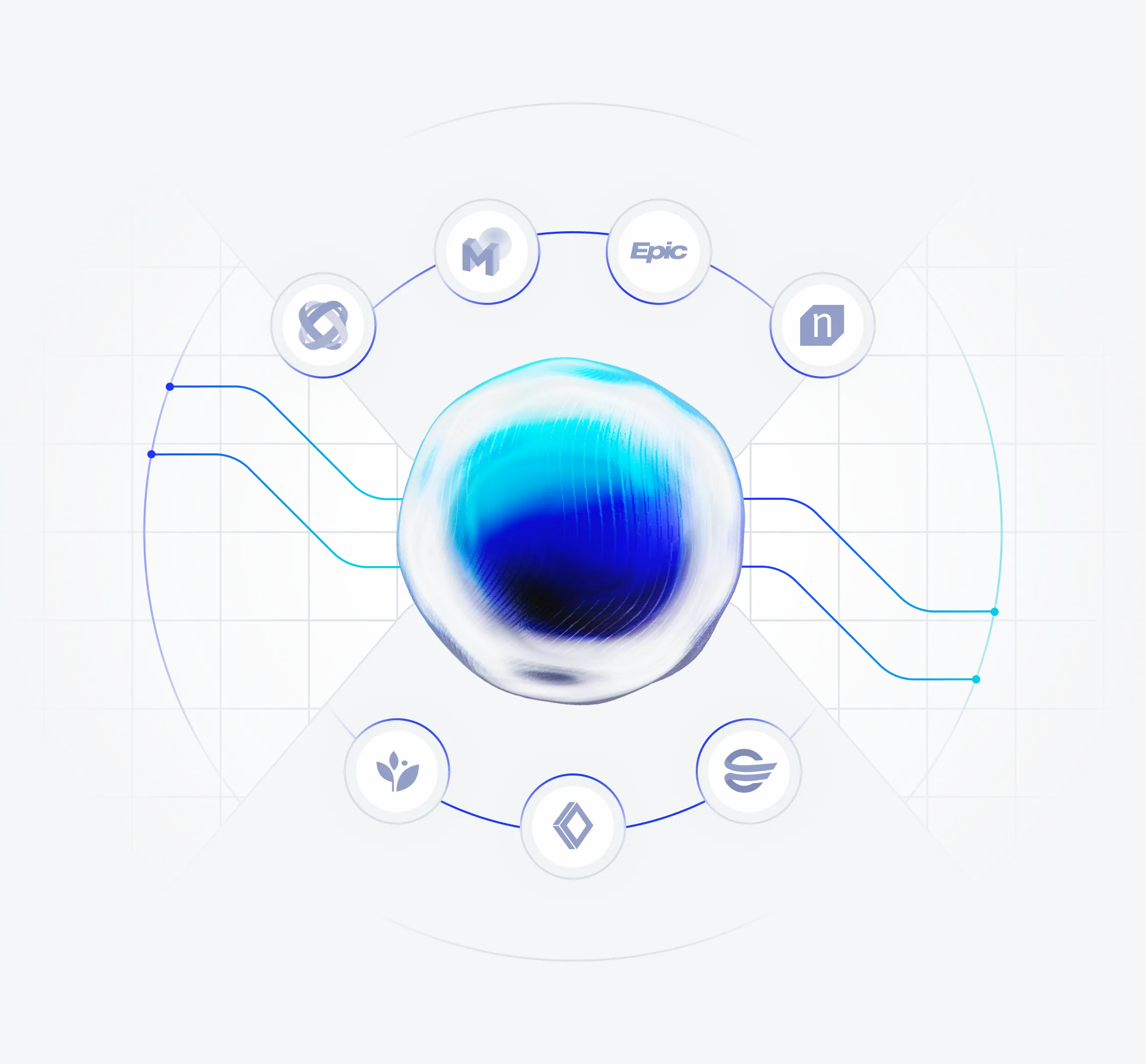
Seamless Integration, Zero Downtime
Automations That Work Overtime

Urgent cases first: Alerts highlight critical patients automatically, reducing alert fatigue by 25%.
Access the financial, operational, and clinical data you need, right on your dashboard — clear, actionable, and ready when you are.
Specialists by your side: US-based IBHRE-certified device specialists provide precise reads and support, anytime you need it.

Remote CIED Monitoring Solutions Built for Your Workflow

Why Octagos Outperforms the Rest
| Features | Octagos | Legacy Systems | Other Competitors |
|---|---|---|---|
| AI-enabled and human-verified reports | |||
| Patient prioritization | Limited | ||
| Custom EHR integration | Extra Cost | ||
| Historical data migration | |||
| Automated vendor site adjustments | |||
| Auto-archive non-actionable reports |
The Future of Remote Monitoring, Delivered Now
No Fuss, Just Results

Smarter Insights, Faster

Maximize Your Day

Transparent Pricing

Smarter Monitoring
Solutions Await

Get the Job Done From Anywhere
OctaLink Clinic App by Octagos provides healthcare professionals with real-time access to critical cardiac device data, ensuring timely decision-making and improved patient outcomes.

Customers Achieve Incredible Results





Explore Other Products




FAQ About Remote Cardiac Device Monitoring
What is a remote cardiac device monitoring solution?
A remote cardiac device monitoring solution enables clinics to efficiently manage, review, and analyze CIED transmissions without increasing administrative burden. These platforms centralize device data, prioritize urgent cases, and integrate directly with EHR systems to streamline clinical workflows.
Solutions can incorporate software, clinical services, patient connectivity services, or a combination of the three. Octagos provides a full suite of software, US-based IBHRE-certified clinical specialist support and a dedicated patient connectivity team to keep your patients connected and transmitting.
How does Octagos reduce alert fatigue?
Atlas AI™ automatically filters non-actionable transmissions and prioritizes urgent alerts, reducing clinic noise by more than 25%. This allows care teams to focus on patients who need immediate attention while minimizing unnecessary manual review of non-urgent transmissions Octagos uses proprietary AI and clinical context from EHR integration to provide clinical decision support to help triage patients.
What cardiac devices does Octagos support?
Octagos integrates with all major CIED manufacturers, allowing clinics to manage transmissions from multiple device vendors within a single remote cardiac device monitoring platform. Octagos also integrates with all major heart failure, and ambulatory remote monitoring companies, providing a full suite of cardiac data in one place.
Does Octagos integrate with our EHR system?
Yes. Octagos integrates bi-directionally with all major EHR systems, pulling discrete data elements such as demographics, diagnosis codes, appointments, orders and encounters, medications, medical history, hospitalizations, and insurance. Octagos sends encounter creation, e-signed reports, discrete data, and billing information automatically back to your EHR. This data is pulled into a single place to directly integrate into your workflow, with no downtime during implementation.
How quickly can a clinic implement Octagos?
Octagos average EHR integration time is 21 days, significantly faster than competitive solutions. Implementation time varies by EHR, And system complexity. Octagos has implemented integrations with more than 20 different EHR companies and routinely integrates SMART on FHIR, FHIR API, HL7, and script-based automation in its EHR integrations. Once implementation is complete, most clinics are onboarded in a week or less. Octagos ensures rapid migration from with existing historical systems like Paceart, including historical data migration of over 10 years, so patient care continues uninterrupted.